





solarcanopyinstallers
UK SOLAR-CANOPY SPECIALISTS

Solar Canopy & Carport Installers, UK-Wide

Specialist MCS-certified installers of solar canopies and carports — car parks, EV-charging canopies, schools, walkways and homes. We design, engineer, plan and install turnkey. Fixed-price quote within 7 working days.

  • MCS Certified
  • NICEIC
  • RECC
  • TrustMark
  • IWA-Backed
UK-wide
Commercial coverage
MCS
Certified installers
7 days
To your quote
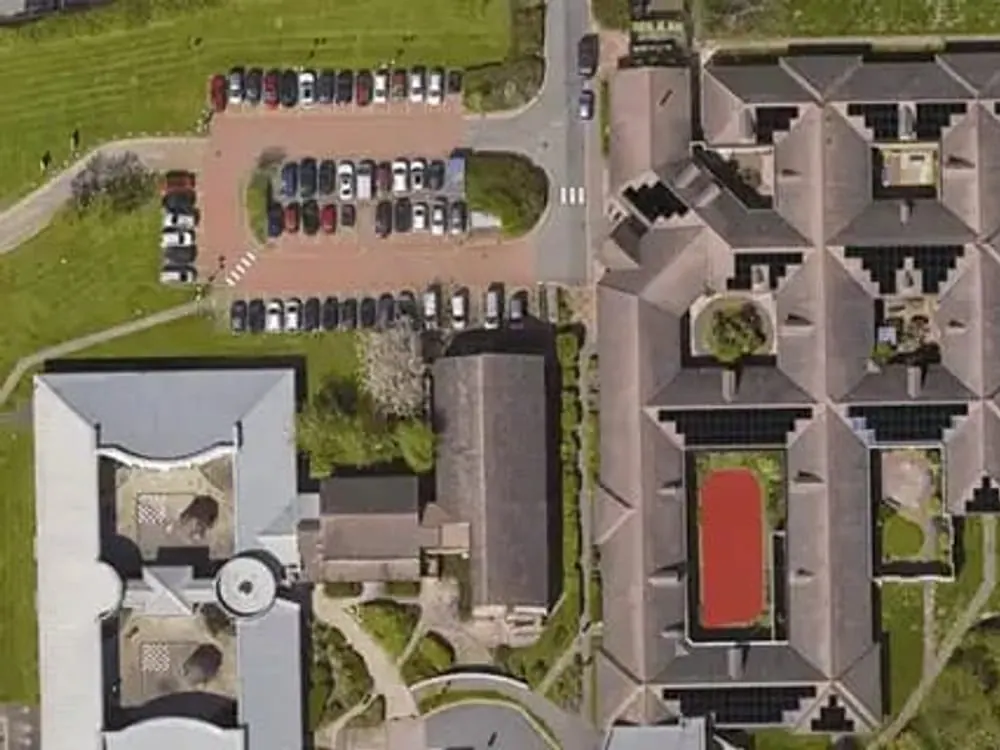
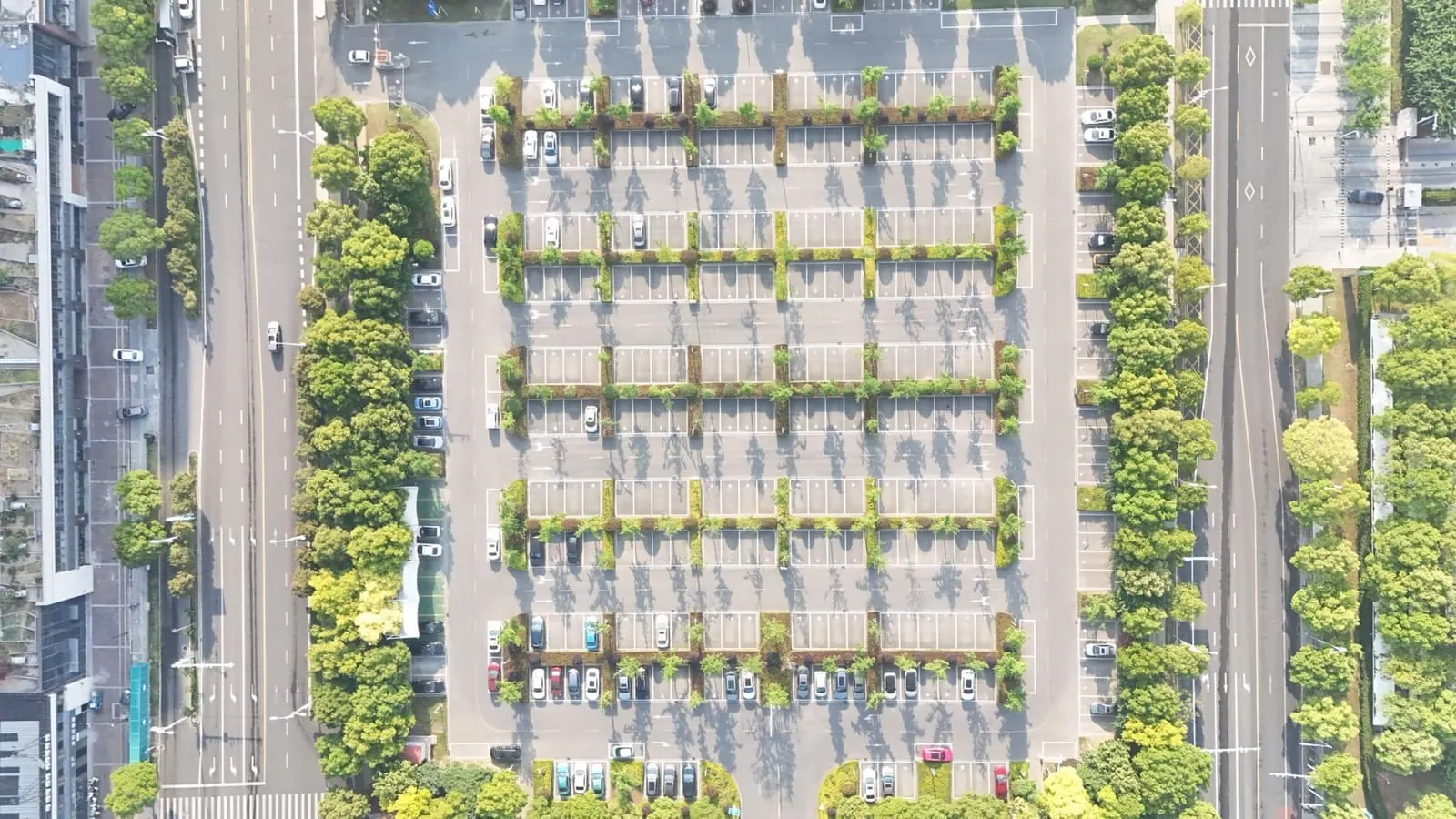
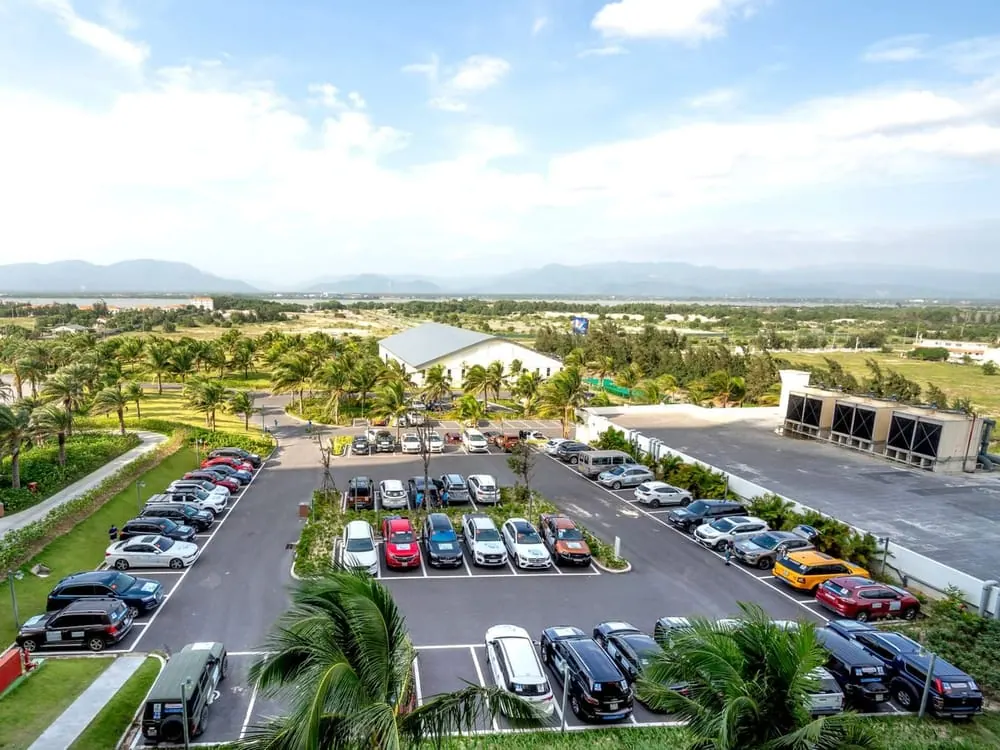
Aerial view of a large UK commercial car park — the kind of site a solar carport canopy turns into a generating asset

ACCREDITED FOR UK COMMERCIAL WORK

  • MCS Certified
  • NICEIC Approved
  • RECC Member
  • TrustMark Licensed
  • IWA Insurance-Backed Warranty
  • ISO 9001 / 14001 / 45001
WHY SOLAR-CANOPY SOLAR

The economics of solar canopy installers in 2026

A solar canopy is a steel structure, not a roof array — and that difference drives its whole economic case. Where rooftop solar bolts to a roof for roughly £700–£1,050 per kWp, an elevated car-park or walkway canopy runs about £900–£1,400 per kWp at commercial scale (and £1,200–£3,000 per kWp on smaller structures), because you are paying for the columns, beams, foundations and groundworks as well as the panels. In return it generates power on land that earns nothing today: a standard parking bay carries about 2 kWp of panels and produces roughly 1,500–2,700 kWh a year at the UK yield of ~900–950 kWh per kWp. Solar-only payback is longer than rooftop at about 8–12 years, but it falls sharply — toward 7 years — once you self-consume during the day, pair the canopy with battery storage, and put EV charging underneath, where solar delivered at ~10p/kWh displaces grid electricity at 30–47p. In England, commercial canopies over off-street parking now have their own permitted-development right (Class OA, in force since 21 December 2023), so most schemes need a prior-approval application rather than full planning permission. We are a specialist installer — we design, engineer to Eurocode wind and snow loads, handle Class OA and the G99 DNO connection, and install the whole thing turnkey: structure, MCS-certified PV, electrical and EV charging under one contract.

  • A canopy is a steel structure, not a roof array — we engineer to Eurocode wind and snow loads and handle Class OA prior approval, glare and drainage.
  • Turnkey, not a bare frame: structure, MCS-certified PV, electrical, G99 DNO connection and EV charging under one contract.
  • Every canopy type: car-park carports, EV-charging canopies, school and NHS canopies, covered walkways and domestic carports.
  • We size from your half-hourly meter data and model self-consumption, SEG export and EV charging before you commit a penny.
solar canopy installers, typical install
WHY IT STACKS UP

The commercial case for going solar

Up to 60%
Cut in energy bills
Typical for high daytime load
25 yr
Panel performance warranty
Standard on tier-1 modules
£0
Upfront cost with PPA
On qualifying projects
0%
VAT where eligible
On qualifying installs
HOW IT WORKS

From first call to commissioning in 6-9 months

A clear, transparent process, no hidden steps, no high-pressure sales.

  1. 01
    Day 1-7

    Free desk feasibility

    We pull your half-hourly meter data and roof drawings, model the system, and share an indicative proposal.

  2. 02
    Week 2-4

    On-site survey

    Our structural and electrical engineers visit. Final design and fixed-price proposal follow.

  3. 03
    Month 2-6

    Permits & DNO

    We handle planning (where required), G99 grid connection application, and any grant paperwork.

  4. 04
    Month 6-9

    Install & commission

    On site for 2-10 weeks depending on system size. Final commissioning, customer training, monitoring active.

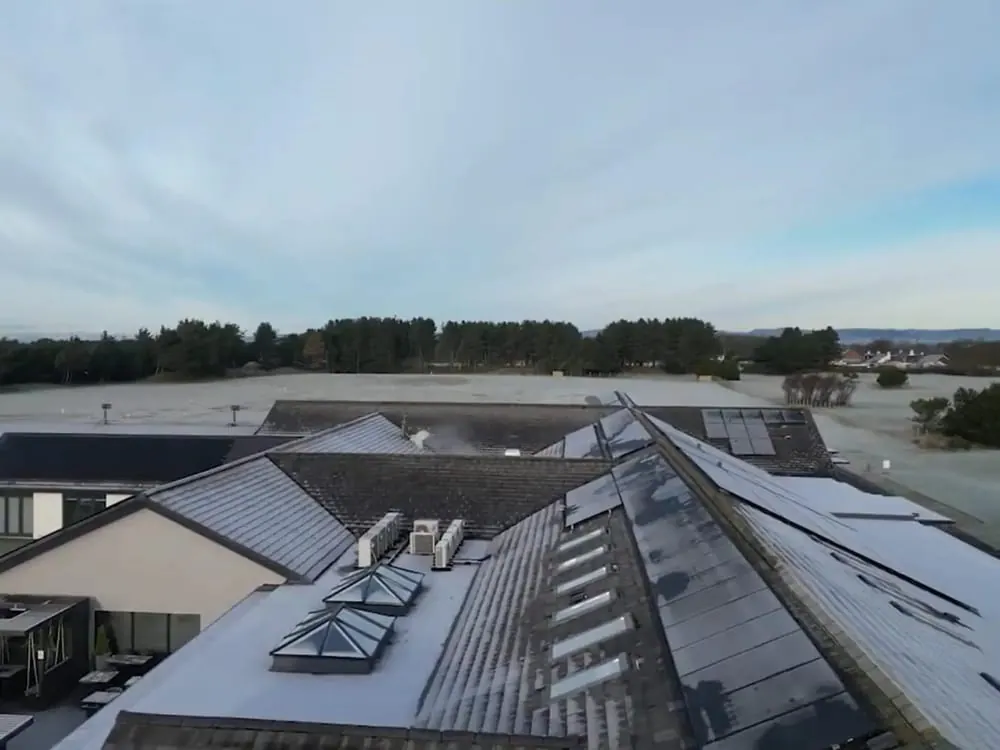
200 kW NHS solar car-park canopy at an acute hospital
CASE STUDY

200 kW NHS solar car-park canopy at an acute hospital

A real reference point: Princess Royal Hospital in Telford is installing a 200 kW solar car-park canopy funded by £445,000 of Great British Energy capital, with works starting in early 2026. Reroofing restrictions on the acute estate ruled out rooftop, so the canopy generates where the roof couldn't while sheltering patient and visitor parking and supporting on-site EV charging.

200
System size
~£35,000
Annual saving
9 yr
Simple payback
~185,000
kWh / year
See more recent installations
WHY SPECIALISTS

Specialist installers vs generalist contractors for solar canopy installers

Specialist (us)
MCS-certified, sector-focused
Generalist contractor
General electrical / building
In-house DIY
Self-managed
MCS commercial certification
Half-hourly meter data modelling
Sector-specific compliance
IWA 10-year insurance-backed warranty
PPA / asset finance options Sometimes
Fixed-price proposal Sometimes
Sub-vertical case studies

Solar canopies explained: what they are, what they cost, and how we build them

A solar canopy is a purpose-built steel structure that turns an open car park, forecourt or yard into a covered, power-generating asset. Instead of fixing panels to an existing roof, you erect a freestanding frame over the parking bays and mount the solar array as the roof itself. The vehicles underneath stay dry and shaded, and every square metre of tarmac that was doing nothing now earns its keep. It is one of the few ways to add serious renewable capacity to a site that has no spare roof space at all.

We are a turnkey, MCS-certified installer. That distinction matters: we design and deliver the steel structure, the PV array, the electrical works and the DNO grid connection under a single contract, not a bare frame that leaves you to find three other trades. Our accreditations are MCS, NICEIC, RECC, TrustMark and an IWA-backed workmanship warranty, so the structure, the wiring and the export claim are all covered by one accountable party.

Why a canopy is not just a rooftop system on legs

The engineering is genuinely different. A rooftop system borrows a structure that already exists; a canopy has to be the structure. That means engineered steelwork, real foundations, and a frame designed to carry wind uplift and snow load in its own right. Those steel and groundworks account for roughly 45% of the total cost, which is the single biggest reason canopies cost more per kilowatt than rooftop and why the economics improve sharply as you add bays and spread that fixed steel cost across more generating capacity.

How canopies are sized: the per-bay rule

Sizing starts from the parking layout, not the roof. A standard bay of around 12 square metres carries four to six 450W panels, giving roughly 2 kWp per bay. A double-sided, back-to-back canopy spanning two rows can reach around 4 kWp per bay. So a 100-bay car park typically supports somewhere between 180 and 270 kWp depending on layout and panel choice.

Output depends on where you are. UK yield runs about 900-950 kWh per kWp per year, from roughly 750 in the north of Scotland to 1,050 on the south coast. Bifacial panels, which pick up light reflected off the tarmac below, add around 5-12% on top. We model your specific site rather than quoting a national average.

What it costs, and the honest truth about payback

At commercial scale, elevated canopies and carports run about £900-£1,400 per kWp. Smaller or structurally complex builds sit higher, around £1,200-£3,000 per kWp, and a useful rule of thumb is roughly £6,000-£12,000 per parking bay installed. For comparison, an equivalent rooftop array is about £700-£1,050 per kWp. Because the steel and foundations are a largely fixed cost, the price per kWp falls as bay count rises, which is why larger schemes are the most cost-effective.

We will be straight with you on payback. A solar-only canopy typically pays back in 8-12 years; add EV charging so you self-consume more of the power, and that shortens to about 7-11 years. Rooftop, with no structure to pay for, is 4-6. The canopy carries a longer payback because you are buying a building as well as a power station, but that building shelters vehicles, protects your surface, and is an appreciating asset with a 25-year-plus generating life.

Funding routes: what is actually available

Several routes can improve the numbers, and it is worth being precise about which are open:

  • Smart Export Guarantee (SEG) pays for power you export, currently around 1-15p/kWh. MCS certification is required to claim it, which is one reason we install to MCS as standard.
  • Capital allowances. Businesses can use the £1m Annual Investment Allowance and the 50% First-Year Allowance. Solar is a special-rate asset and is excluded from 100% full expensing, so anyone promising you "full expensing" on solar is wrong. Speak to your accountant on the specifics for your business.
  • VAT. There is 0% VAT on domestic solar until 31 March 2027. Whether that extends to a standalone canopy in a domestic curtilage is not confirmed by HMRC, so we advise checking your position rather than assuming it applies.
  • Business rates. Solar generation equipment is exempt from business rates in England until 31 March 2035.
  • Workplace Charging Scheme (WCS). Open until 31 March 2027, covering up to £500 per socket (£2,000 for state education), at 75%, up to 40 sockets, through an OZEV-authorised installer.
  • Great British Energy is providing capital for the NHS and schools, and Salix offers 0% loans to schools.

Two schemes are now closed and should never be presented as live: the Public Sector Decarbonisation Scheme (PSDS), closed to new applicants in November 2024, and the staff-and-fleets EV infrastructure grant, closed on 31 March 2026. We would rather tell you that than build a business case on money that no longer exists.

The wider direction of travel is clear. The Princess Royal Hospital in Telford is fitting a 200 kW solar car-park canopy backed by £445,000 of Great British Energy funding, expected to save around £35,000 a year, with works from early 2026. DESNZ modelling in May 2025 suggested an 80-space car park could save roughly £28,000 a year through self-consumption. And while a "car-park solar mandate" has been floated, as of mid-2025 it is only a government Call for Evidence, not law. We think that is a good reason to future-proof your site before it becomes mandatory, not a requirement to panic over.

Planning, structure and grid

In England, Class OA permitted development (in force since 21 December 2023) covers solar canopies over non-domestic, off-street parking. That means a prior-approval application on siting, design and glare rather than full planning permission. Conditions apply: no part above 4m high, more than 10m from any dwelling, not over listed buildings or scheduled monuments, a SuDS run-off condition over permeable surfaces, and works must start within three years. This is England only. Wales, Scotland and Northern Ireland still require standard planning permission. For a home, a domestic canopy is usually permitted development as an outbuilding (max 4m high, 3m within 2m of a boundary, behind the principal elevation, under 50% of the curtilage), though listed buildings, conservation areas and National Parks need an application.

Structurally, canopies are engineered to Eurocode 1 (BS EN 1991) for wind and snow loading, with foundations that are typically ground screw (around 90% of sites), ballasted, or driven pile. Commercial construction runs under CDM 2015 and all electrical work to BS 7671. On the grid side, systems up to 3.68kW per phase use a G98 fit-and-inform notification; anything larger, which is most commercial canopies, needs G99 pre-approval from the network operator, usually 4-8 weeks and occasionally 8-12.

Adding EV charging, honestly

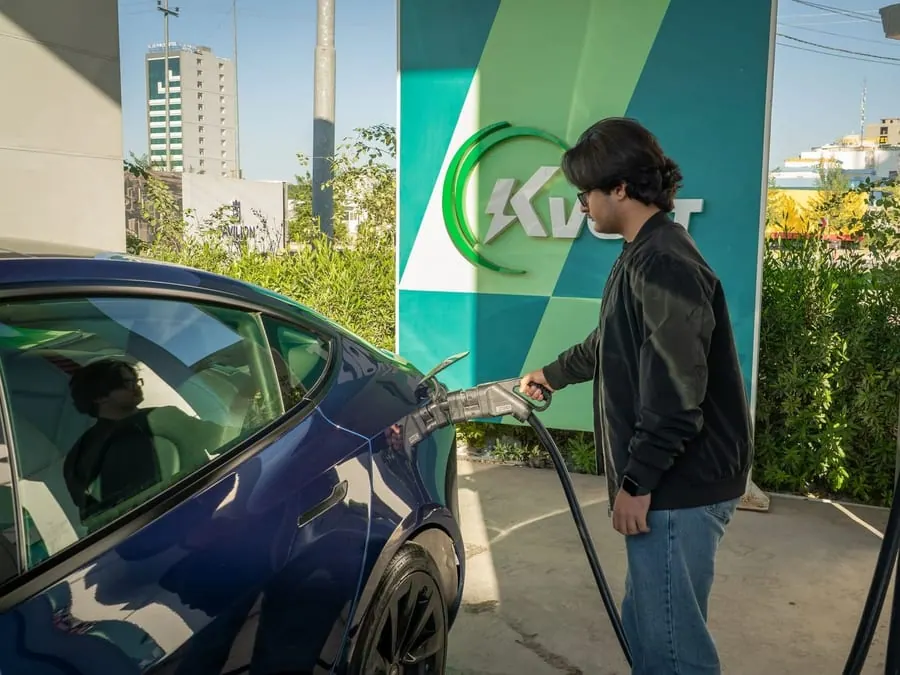
Pairing a canopy with EV charging is where the economics get genuinely attractive. Solar power delivered on-site costs around 10p/kWh against a grid price of 30-47p, and every unit you self-consume is worth roughly twice what you would earn exporting it. A canopy comfortably powers 7kW and 22kW AC chargers plus site lighting. It will not, on its own, run standalone 50kW+ DC rapid chargers, which need a grid upgrade plus battery storage. We would rather set that expectation up front than oversell the frame.

How we run the project, end to end

We take the whole thing off your plate: site survey and yield modelling, structural and electrical design, the prior-approval or planning application, the DNO connection, foundations and steel, the PV and charging installation, and MCS commissioning so your SEG claim stands up. One contract, one accountable installer, one warranty.

Ready to see the numbers for your site? Explore our full cost and payback breakdown, check which grants and funding apply to you, see how we combine generation with charging on our EV charging solar canopies page, or request a tailored quote. You can also call us directly on +44 7707 970661.
FAQS

Common questions

The questions we hear most from an estates or property director.

Do I need planning permission for a solar canopy over my car park?

Usually not full permission. Since 21 December 2023, solar canopies over non-domestic off-street parking in England are permitted development under Class OA of the GPDO, provided no part is over 4m high and it is more than 10m from any dwelling. You do need a prior-approval application — the council assesses siting, design, appearance and glare on neighbours, and can take up to around 8–10 weeks. Listed buildings and scheduled monuments are excluded and need full consent, and Wales, Scotland and NI still require planning permission.

Do residential solar carports at home need planning permission?

In most cases a domestic solar carport is permitted development as an outbuilding. It must sit behind the principal elevation (rear or side), be no more than 4m high — dropping to 3m within 2m of a boundary — and, with any other outbuildings, cover less than 50% of your garden. Listed buildings, conservation areas and National Parks lose some rights and often need a planning or listed-building application, so we always check your local authority's position first.

How much does a commercial solar carport cost in the UK?

As a rule of thumb, commercial solar carports run about £900–£1,400 per kWp at scale, or roughly £6,000–£12,000 per parking bay once you include groundworks, the steel frame, panels and electrical connection — materially more than rooftop solar (£700–£1,050 per kWp) because the structure is around 45% of the cost. Smaller schemes run £1,200–£3,000 per kWp. Per-bay cost falls as bay count rises, so a 100-bay car park is far better value per kWp than a 10-bay one.

How much energy does a solar carport generate?

In the UK a single covered bay typically carries about 2 kWp of panels and generates roughly 1,500–2,700 kWh a year at the national yield of ~900–950 kWh per kWp. A domestic 6.5 kWp carport produces around 5,500 kWh annually. Bifacial modules recover an extra ~5–12% from light reflected off the tarmac below. Actual output depends on orientation, tilt, shading and bay count, which we model for your specific site before quoting.

How long does payback take on a solar canopy or carport?

Solar-only payback is typically 8–12 years — longer than rooftop's 4–6 years because of the steel structure and foundations. But it falls sharply with high daytime self-consumption, battery storage, and EV charging underneath, where solar at ~10p/kWh displaces grid electricity at 30–47p; with EV revenue, 7–11 years is common. A grant or zero-capital PPA changes the picture entirely by removing the upfront cost.

Can I charge my EV from a solar carport, and is it worth it?

Yes — pairing panels overhead with a charger below is the ideal use of the space. A smart charger prioritises free solar over grid import, and self-consumed solar is worth roughly twice exported solar. It works best for 7kW and 22kW AC charging; standalone 50kW+ DC rapid chargers draw more than a canopy can supply, so those use the grid plus a battery. Surplus you can't use is sold under the Smart Export Guarantee.

Commercial Solar Across the UK

Visit the UK hub for commercial solar installation.

For MW-scale commercial canopy projects, see our sister specialists in commercial solar canopy engineering.

More on turning surface parking into generation at solar car parks.

Pairing a canopy with workplace charging? Read up on commercial EV charging.

Our sister site covering solar panels for car parks.

Get a free quote
Get a free quote